The Transformation
See It Before and After
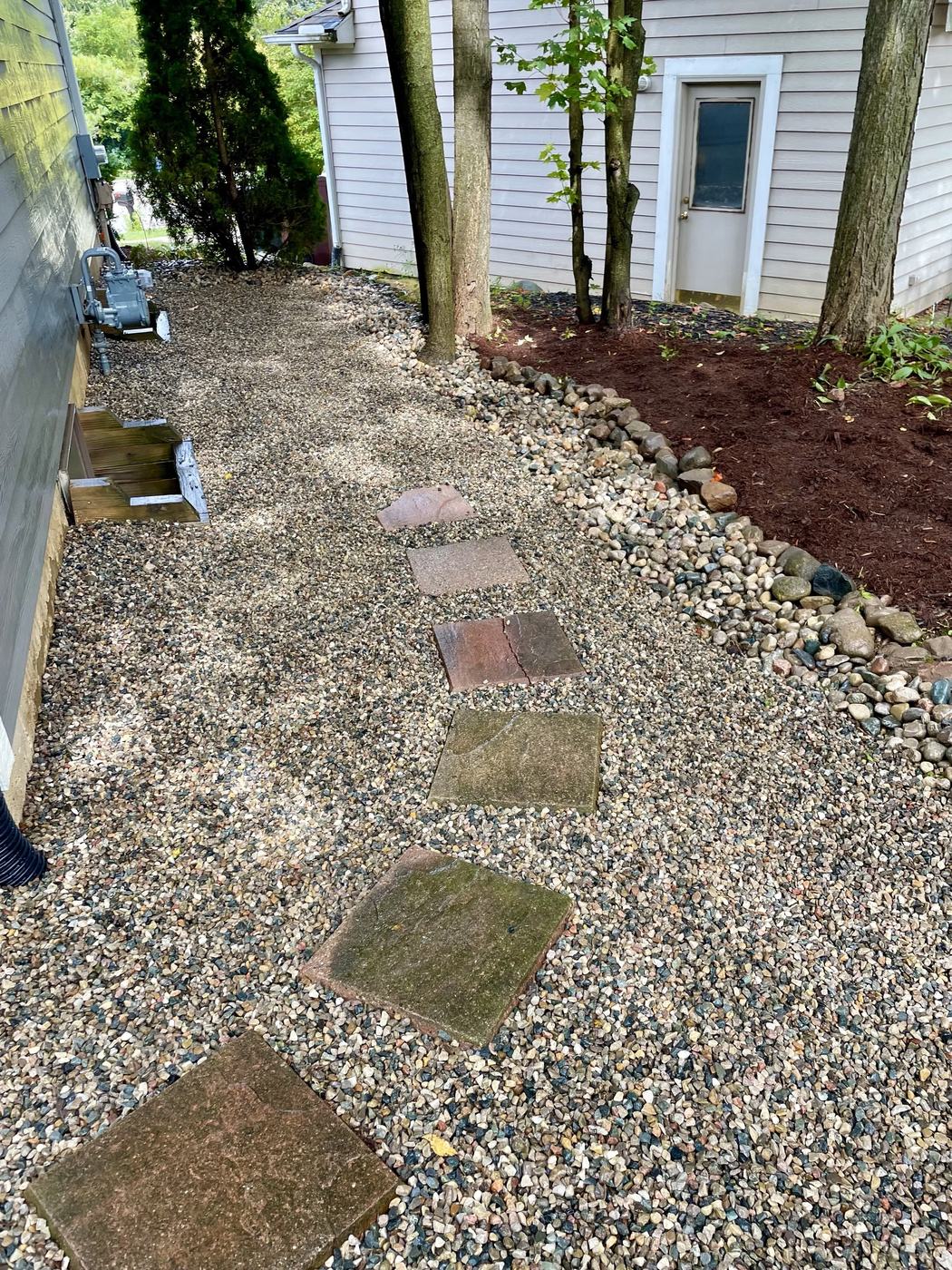
Drag the slider to see this yard before the drainage fix, and after Aaron solved the standing water problem for good.
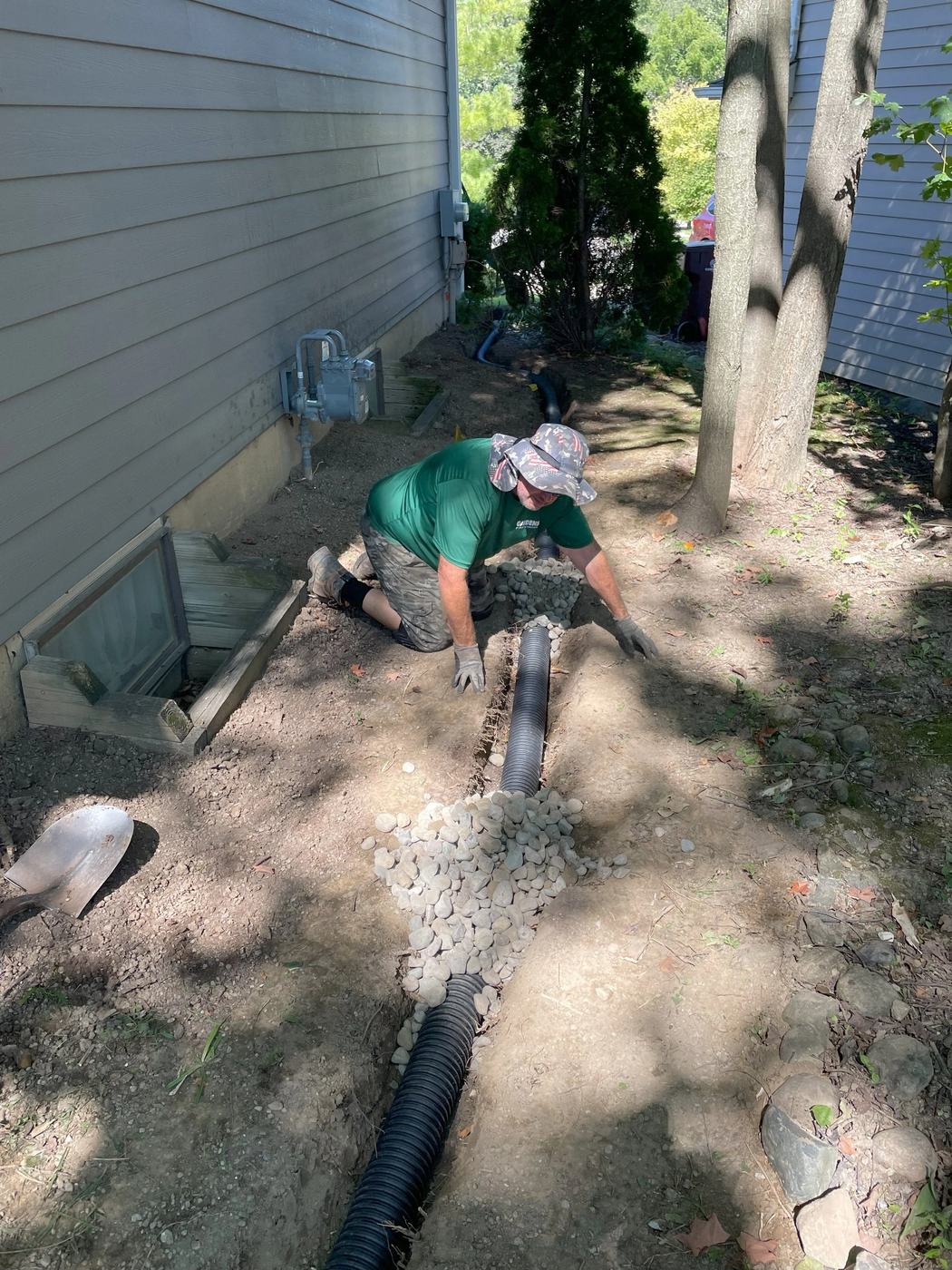
Before
After
Drag to compare
Drainage problems don't get better on their own. Aaron identifies the source, designs a real solution, and installs it properly so your yard stays dry and your plants actually thrive.
Request a ConsultationDrag the slider to see this yard before the drainage fix, and after Aaron solved the standing water problem for good.
Drag to compare
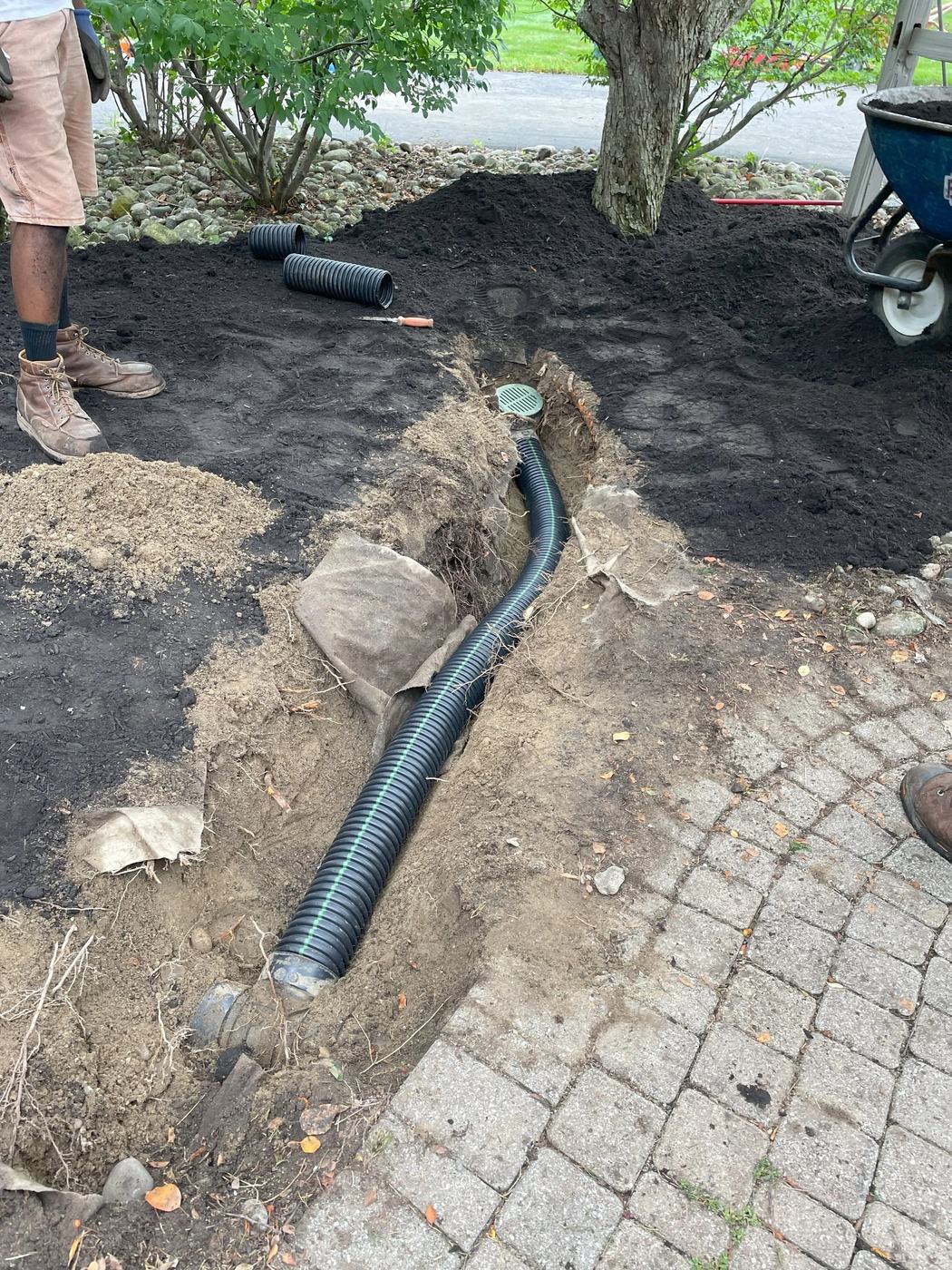
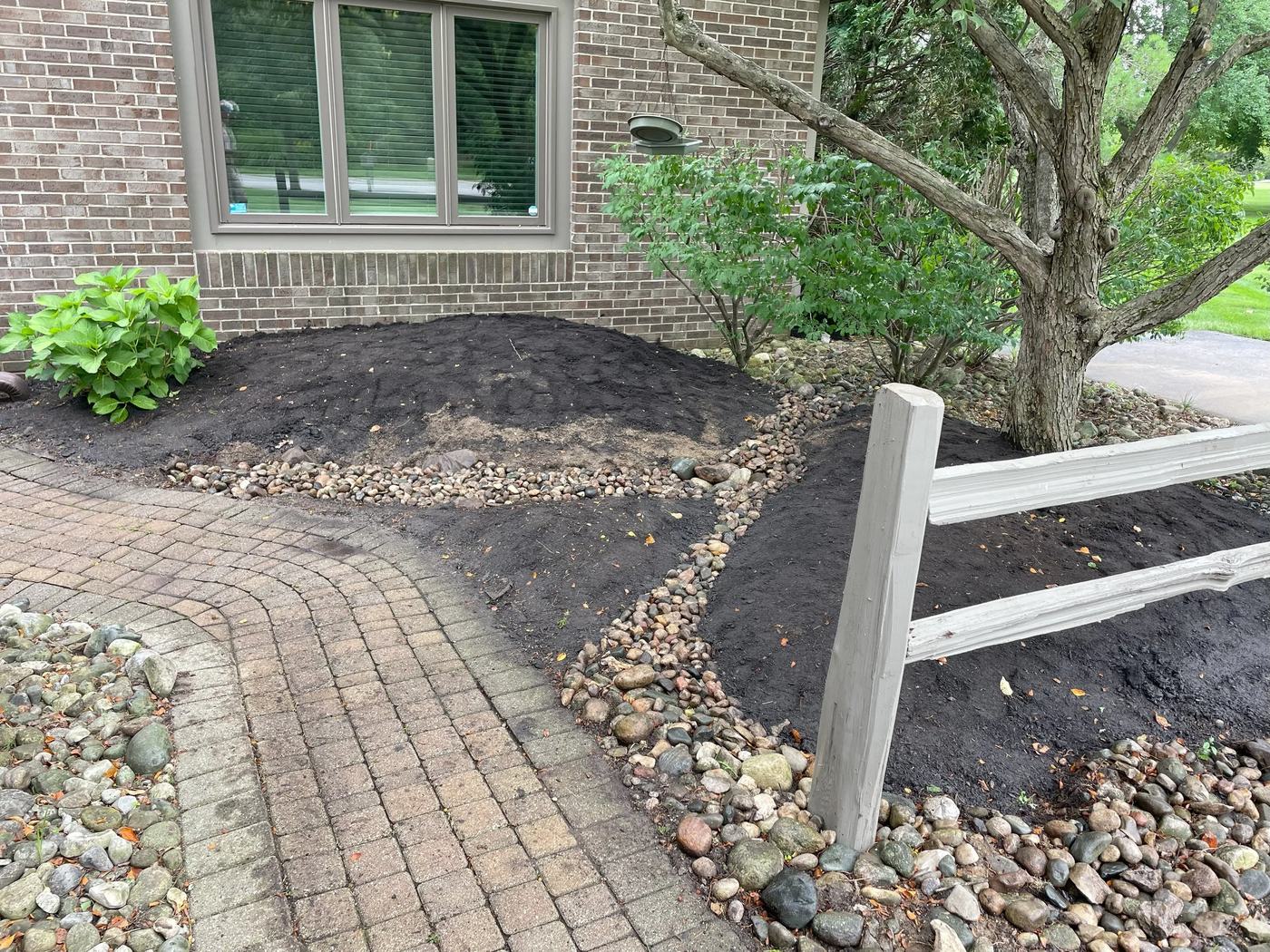
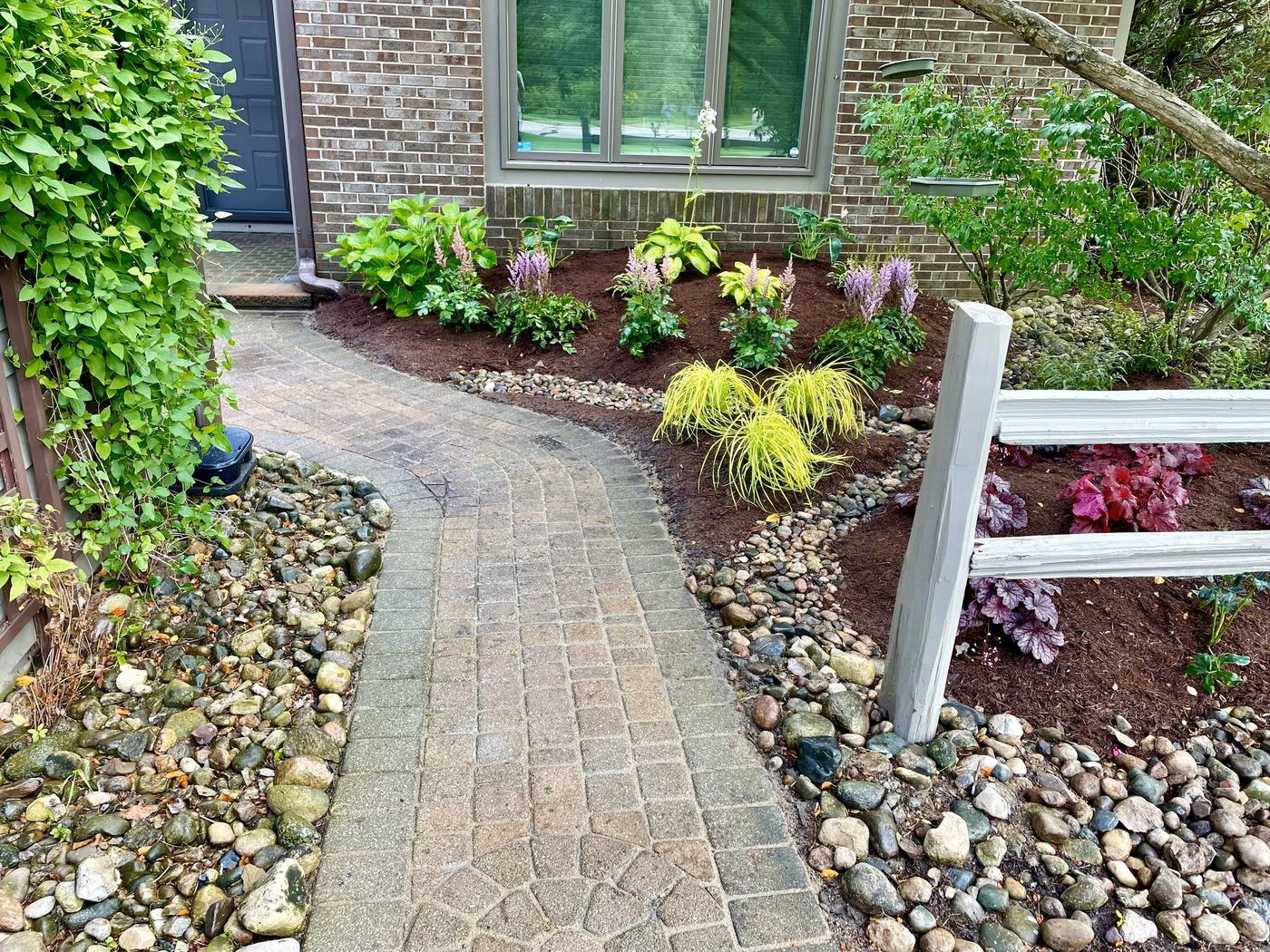
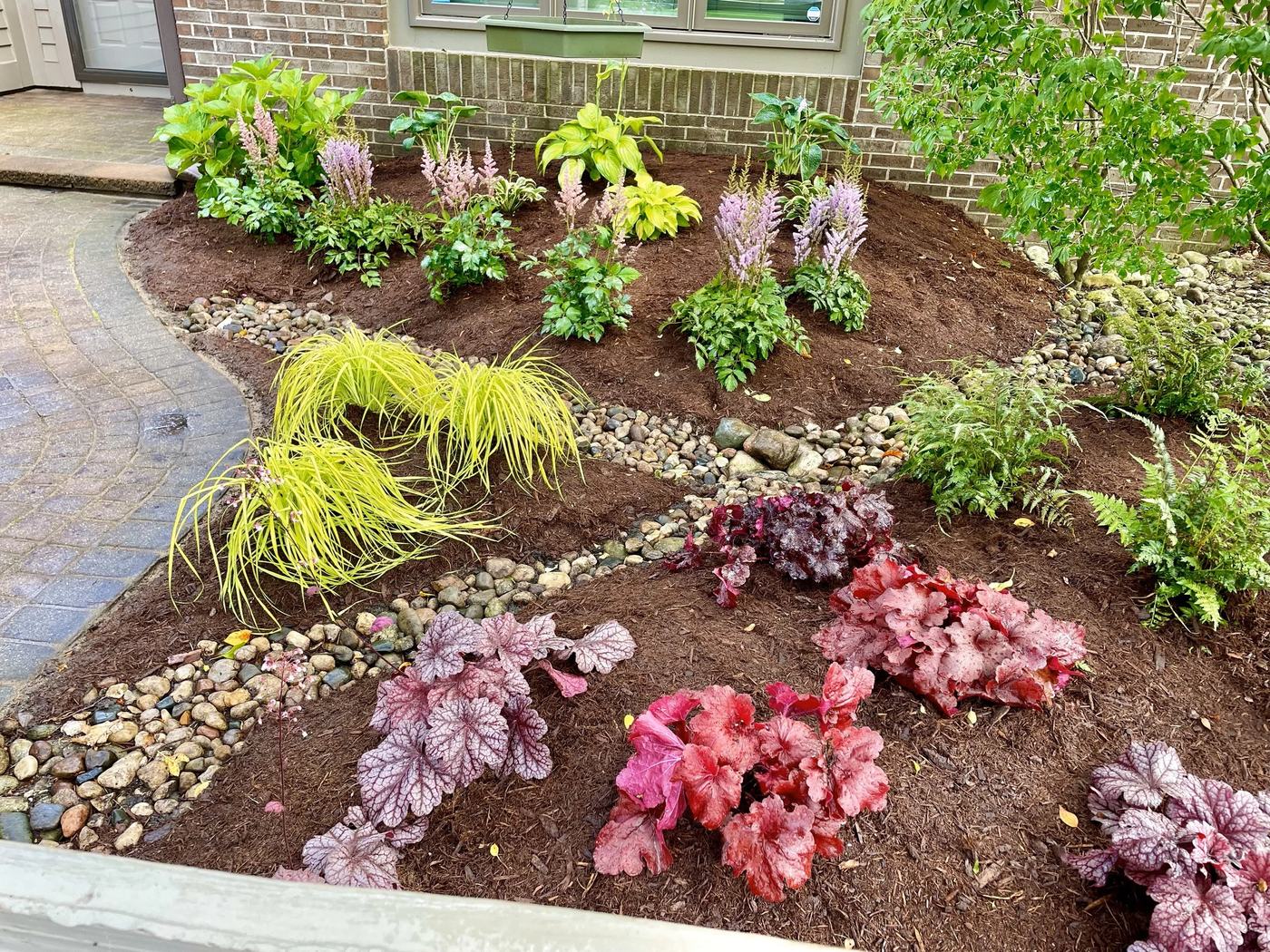
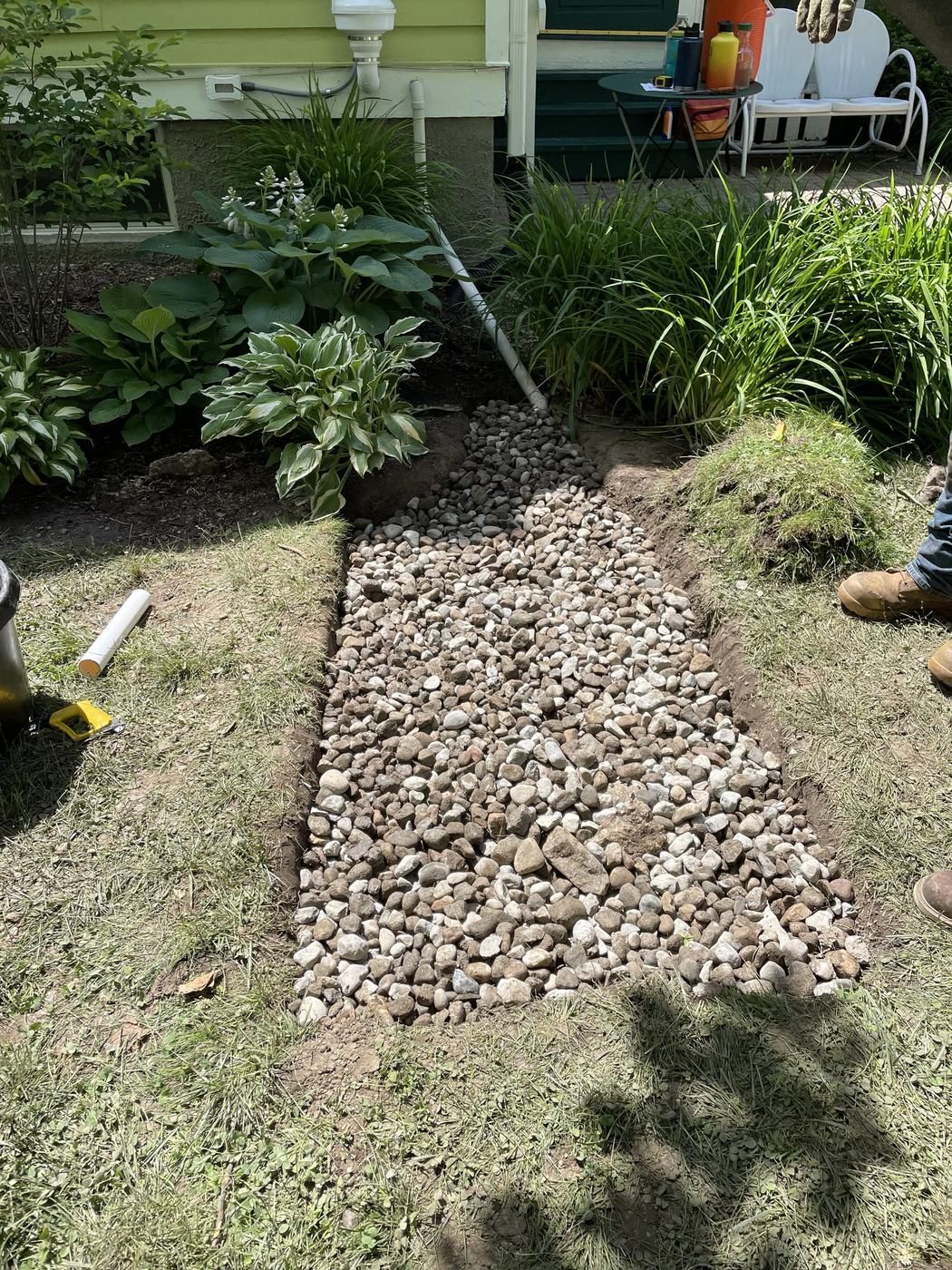
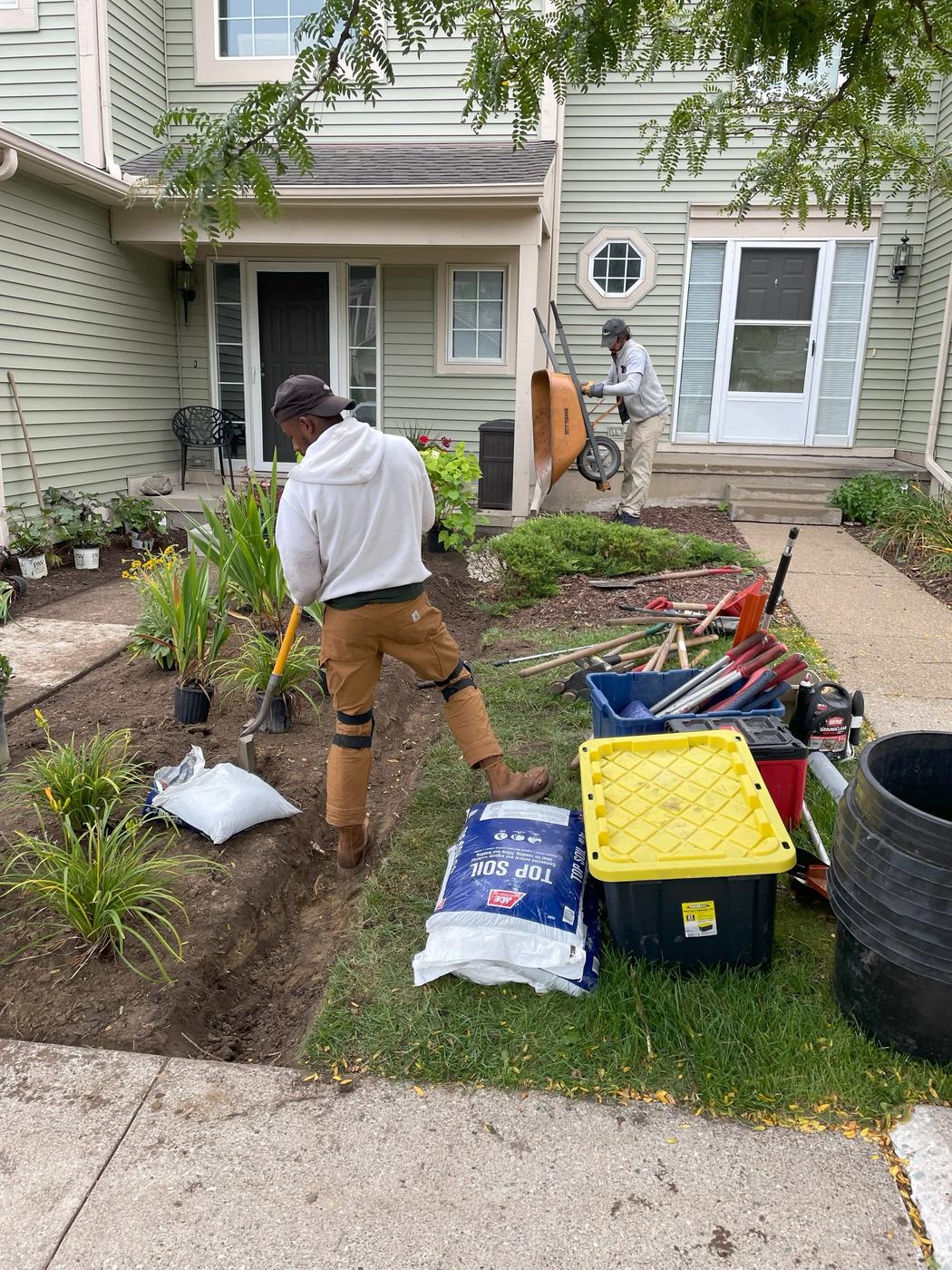
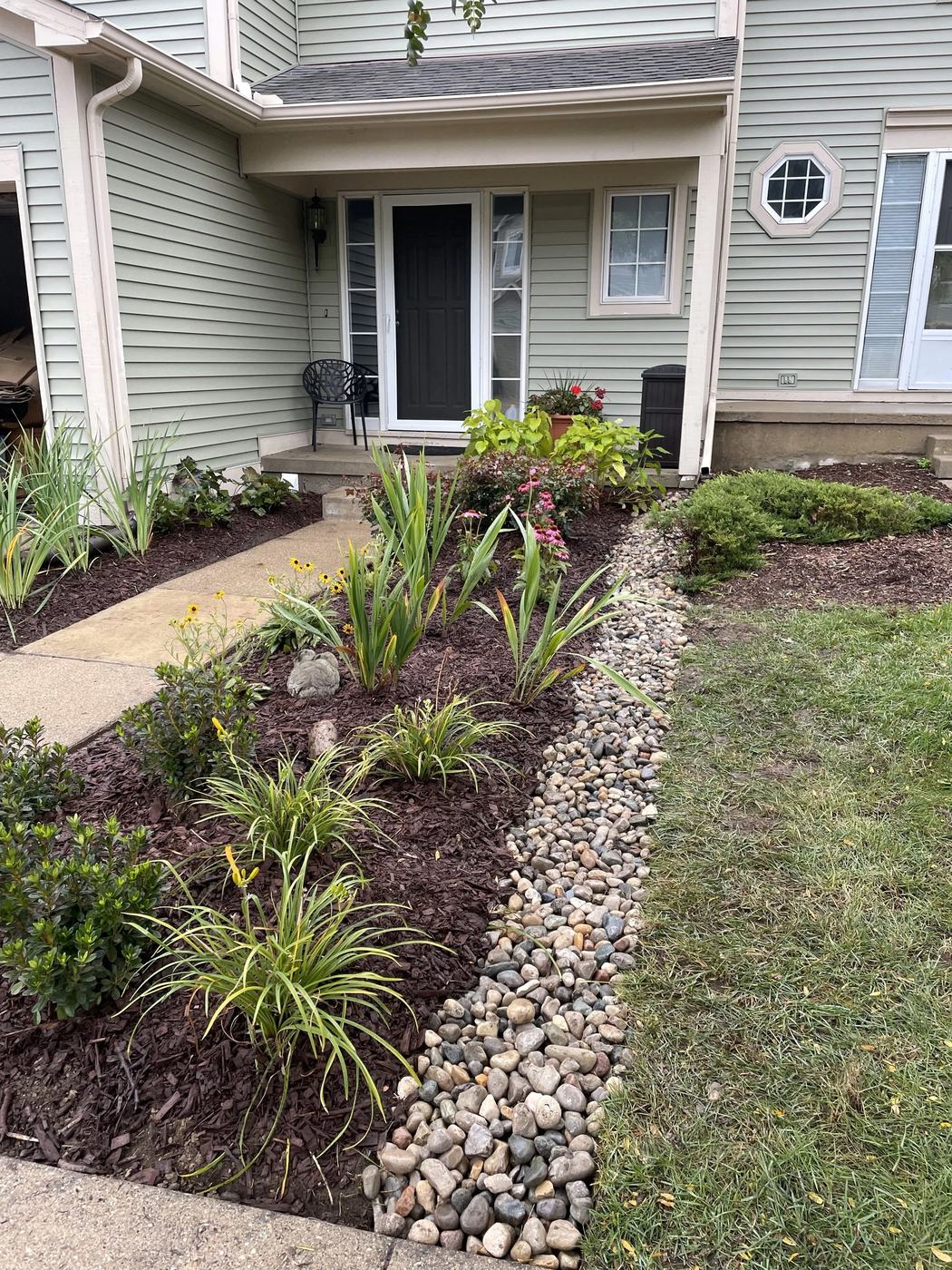
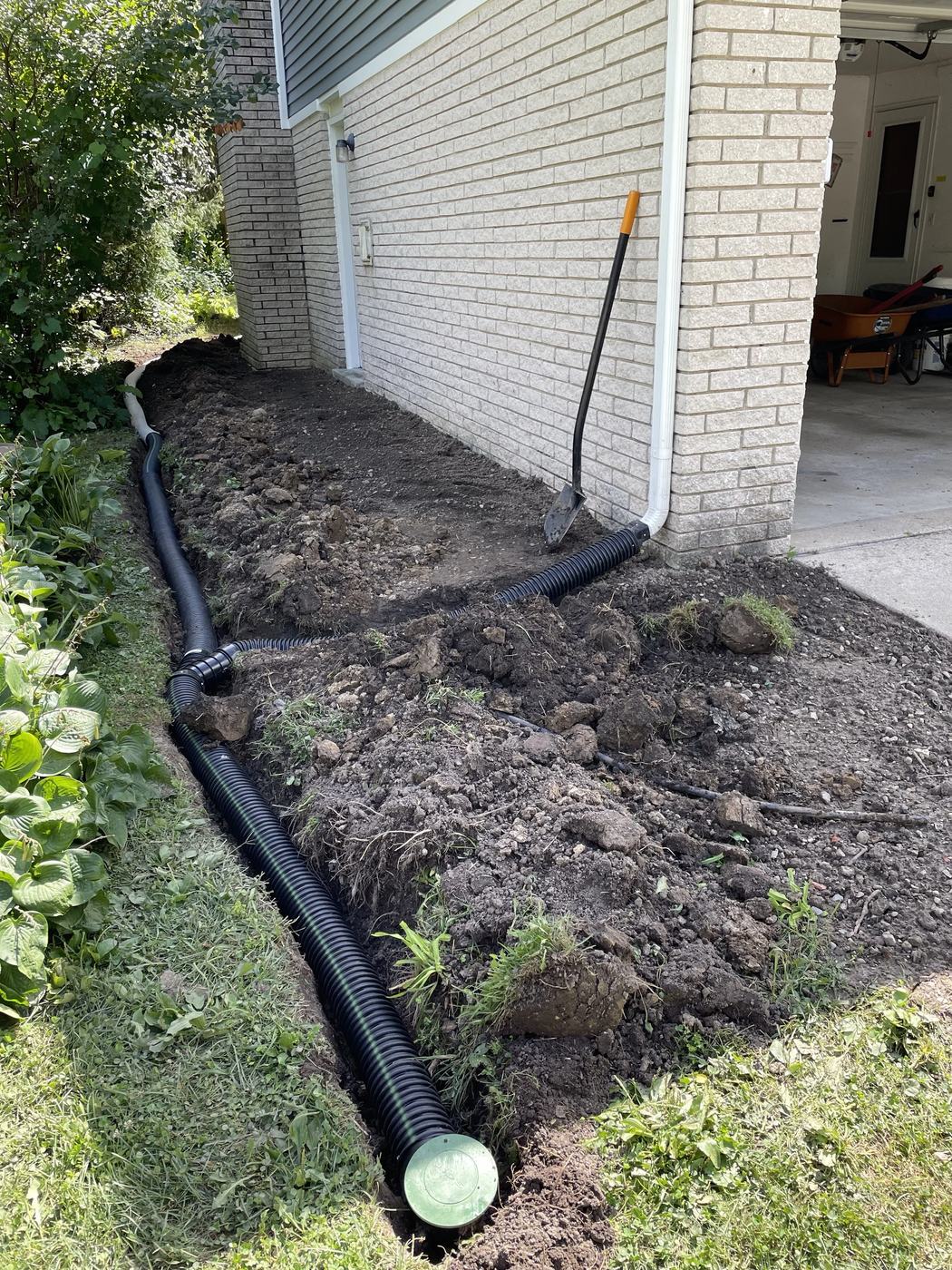
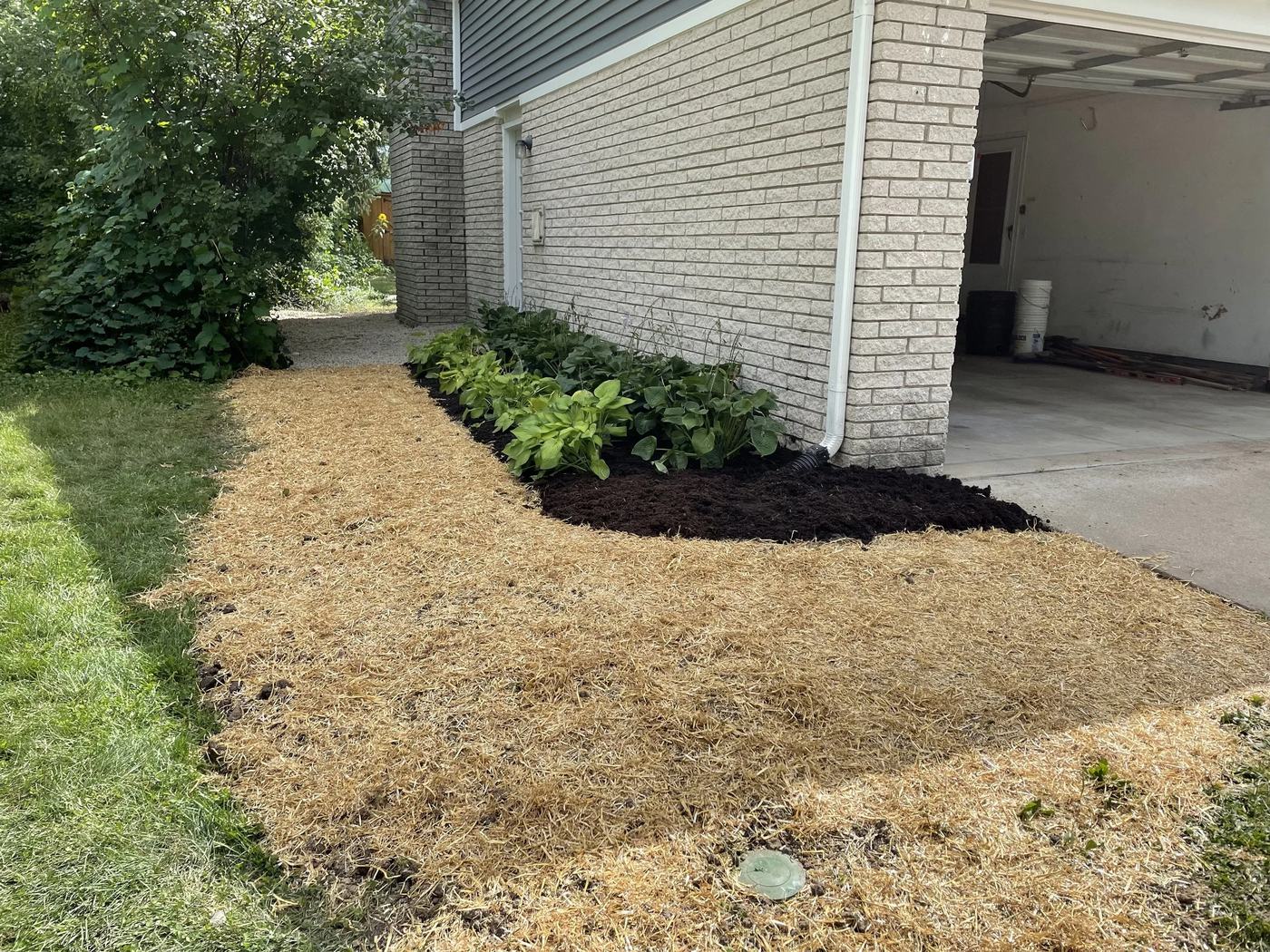
Poor drainage is one of the most common and most damaging problems in a residential landscape. Water that pools in low spots, sits against foundations, or saturates planting beds will kill plants, attract pests, erode soil, and eventually cause structural damage to the property. The frustrating thing is that it usually isn't hard to fix once you understand where the water is coming from and where it needs to go.
Aaron approaches drainage as a diagnostic project first. He walks the property during or after a significant rain if possible, identifies where water enters and where it collects, and traces the grade and soil conditions that are allowing it to sit. From there, he designs a solution - whether that's a simple grading correction, a French drain with a proper outlet, a dry creek bed that channels runoff attractively, or a more comprehensive regrading of a problem area.
The goal is always to move water away from where it causes damage and toward where it can absorb or discharge safely. Done right, the drainage solution becomes invisible, just a yard that handles rain the way a yard is supposed to.
Start a ConversationWe take this work on across Washtenaw County. See what we build in Ann Arbor and Ypsilanti, or get in touch about your own property.
Common Questions
Heavy clay subsoil. Water moves through clay very slowly, so instead of soaking in it sits on the surface or travels along the top of the clay layer until it finds somewhere, often a low spot in the lawn or the foundation. Add our freeze-thaw cycles and spring melt and you get the standing water most Washtenaw County homeowners recognise.
A French drain moves water, a perforated pipe in gravel that intercepts water and carries it somewhere else. A dry well stores it, a buried reservoir that holds water and lets it soak away slowly. Many yards need both, and which one leads depends on whether you have somewhere to send the water.
Often, yes. The first step is finding where the water actually comes from, which is frequently not where it ends up. A regrade in one area, a corrected downspout, or a single intercepting drain solves a lot of problems that look like they need the full treatment. We diagnose before we dig.
It's one of the most valuable things you can do for a house here. Water pooling against a foundation is what drives basement seepage and hydrostatic pressure. Getting grade and downspouts right is unglamorous work that quietly prevents expensive problems.
Aaron will find the source of your drainage problem and fix it the right way the first time.
Request a Consultation