The Transformation
See It Before and After
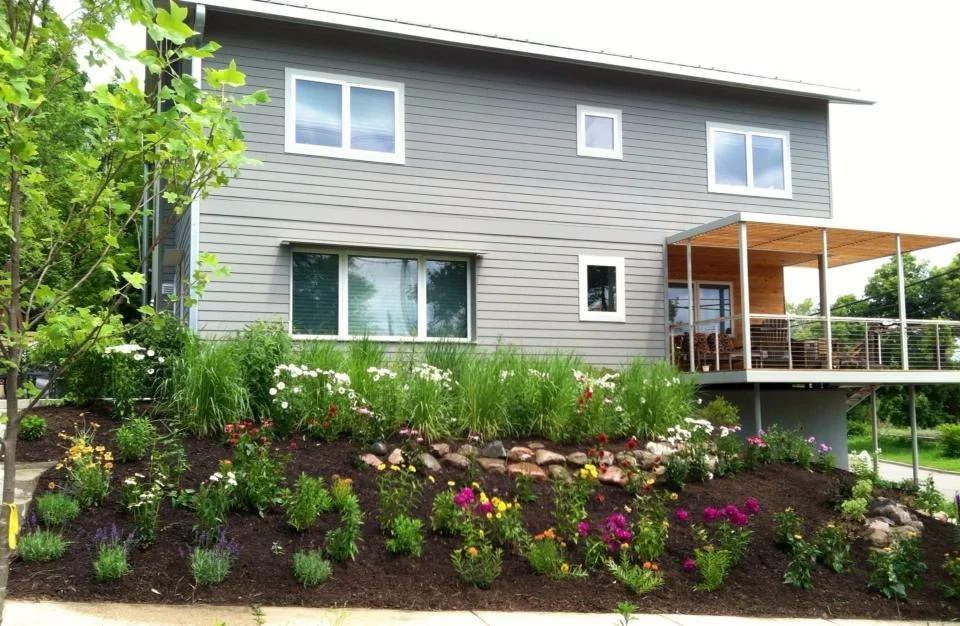
Drag the slider to see this lot before Aaron's crew cleared it, and after the prairie planting filled in.
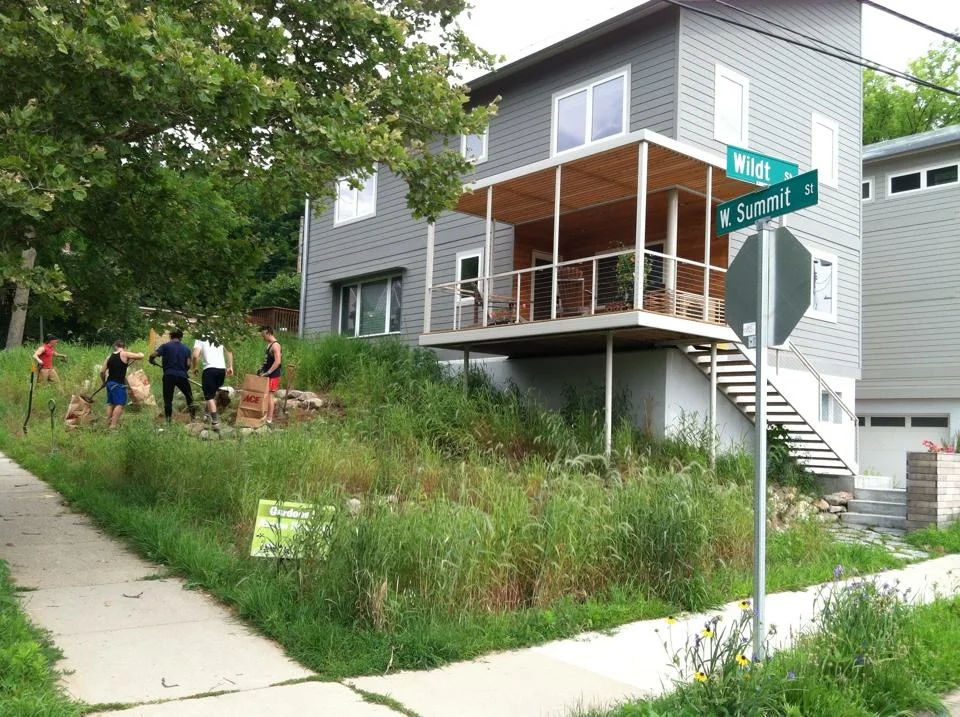
Before
After
Drag to compare
Urban prairie and perennial gardens that replace high-maintenance turf with grasses, native plants, and movement - dynamic, sustainable, and genuinely striking.
Request a ConsultationDrag the slider to see this lot before Aaron's crew cleared it, and after the prairie planting filled in.
Drag to compare
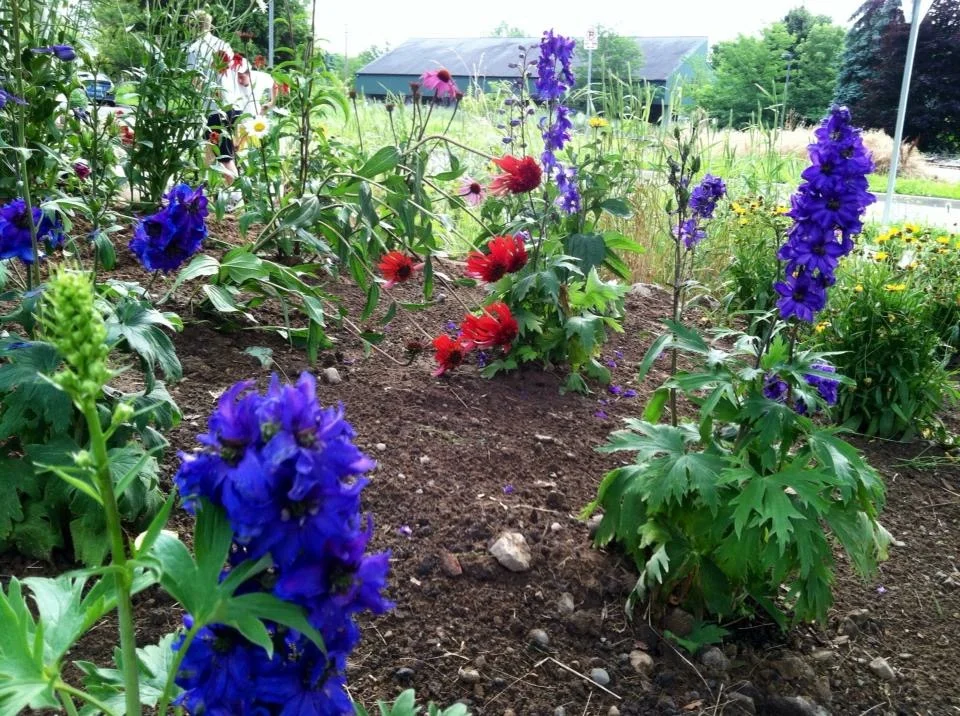
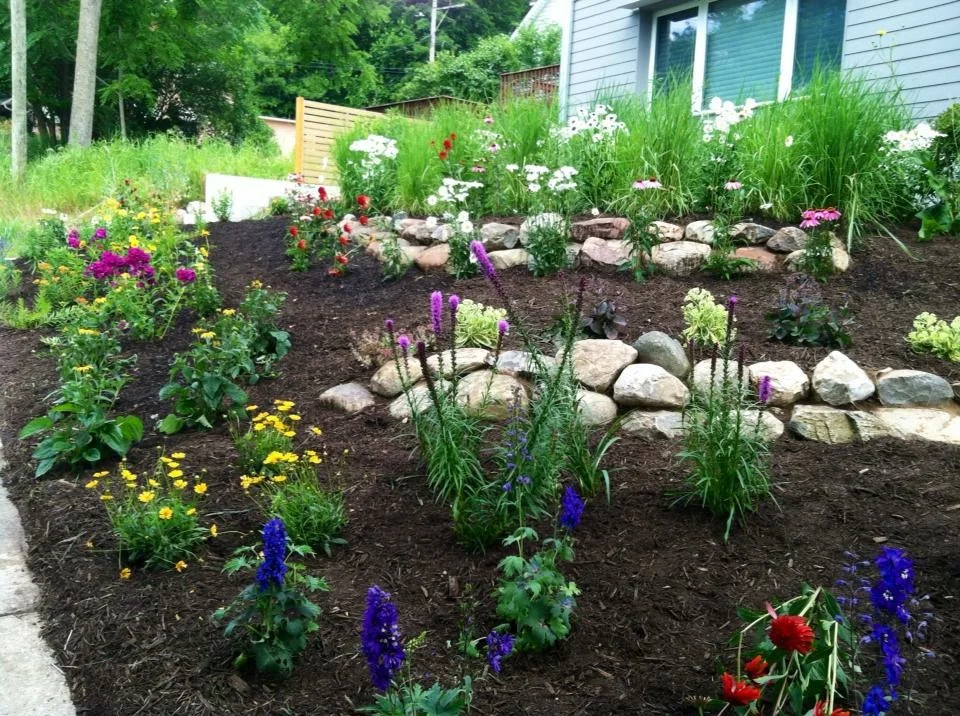
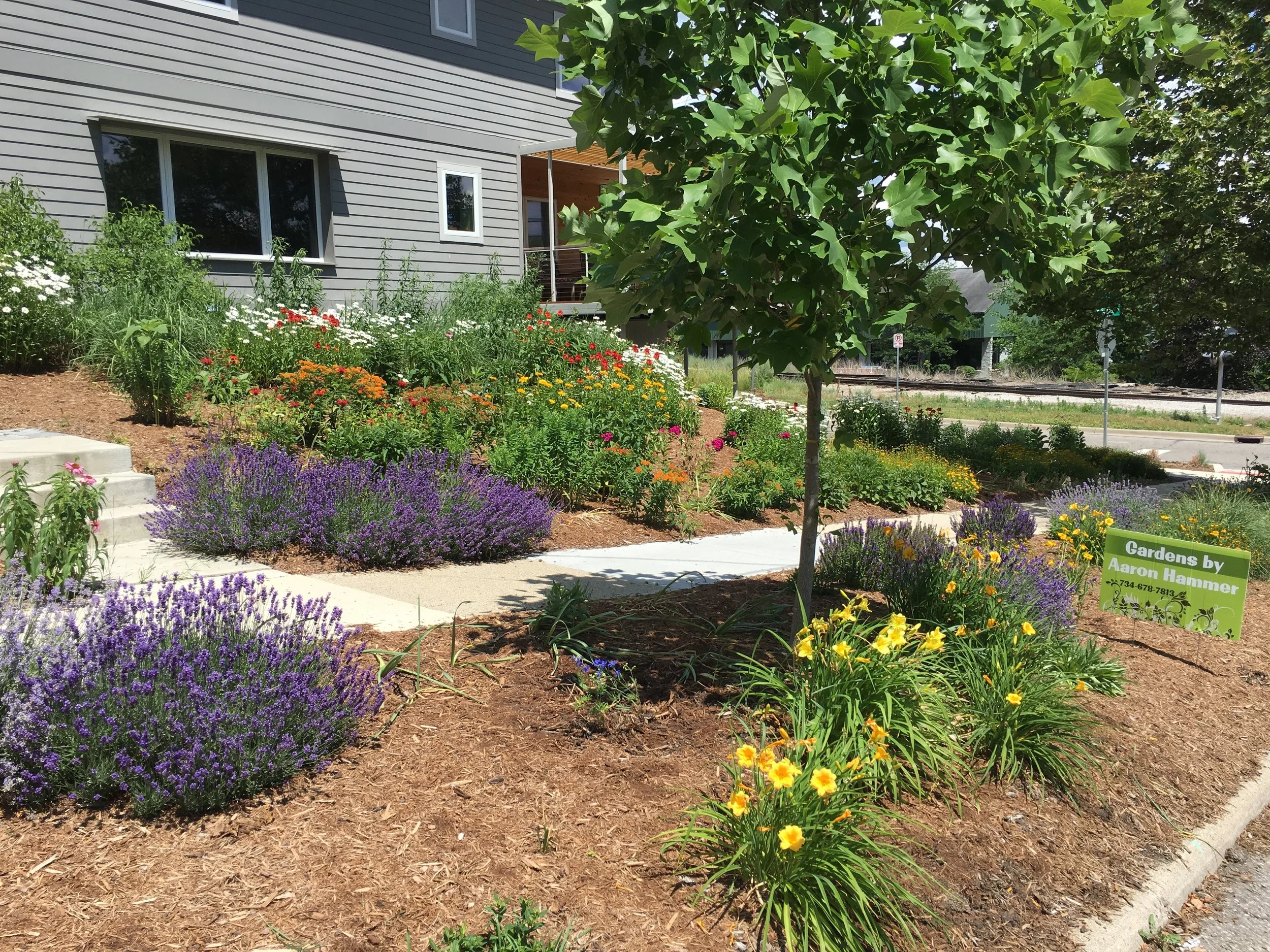
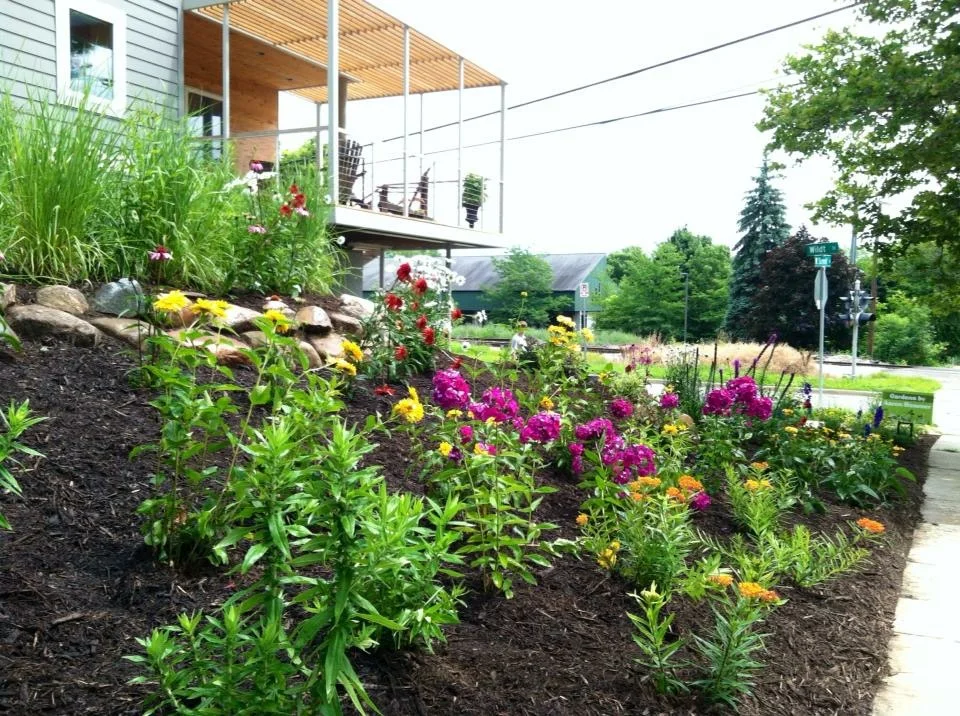
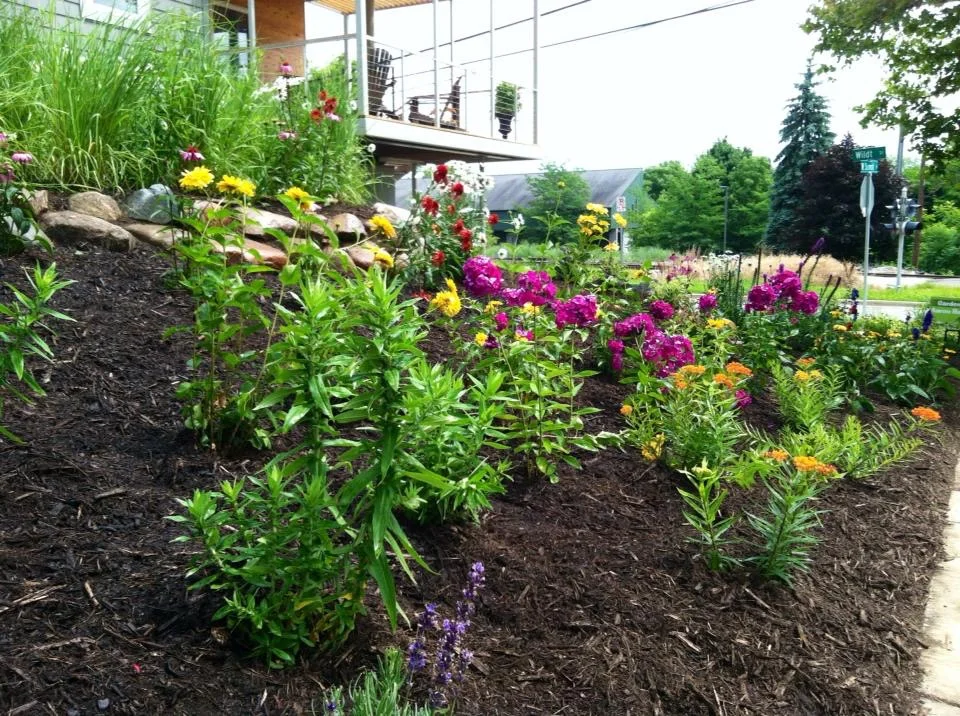
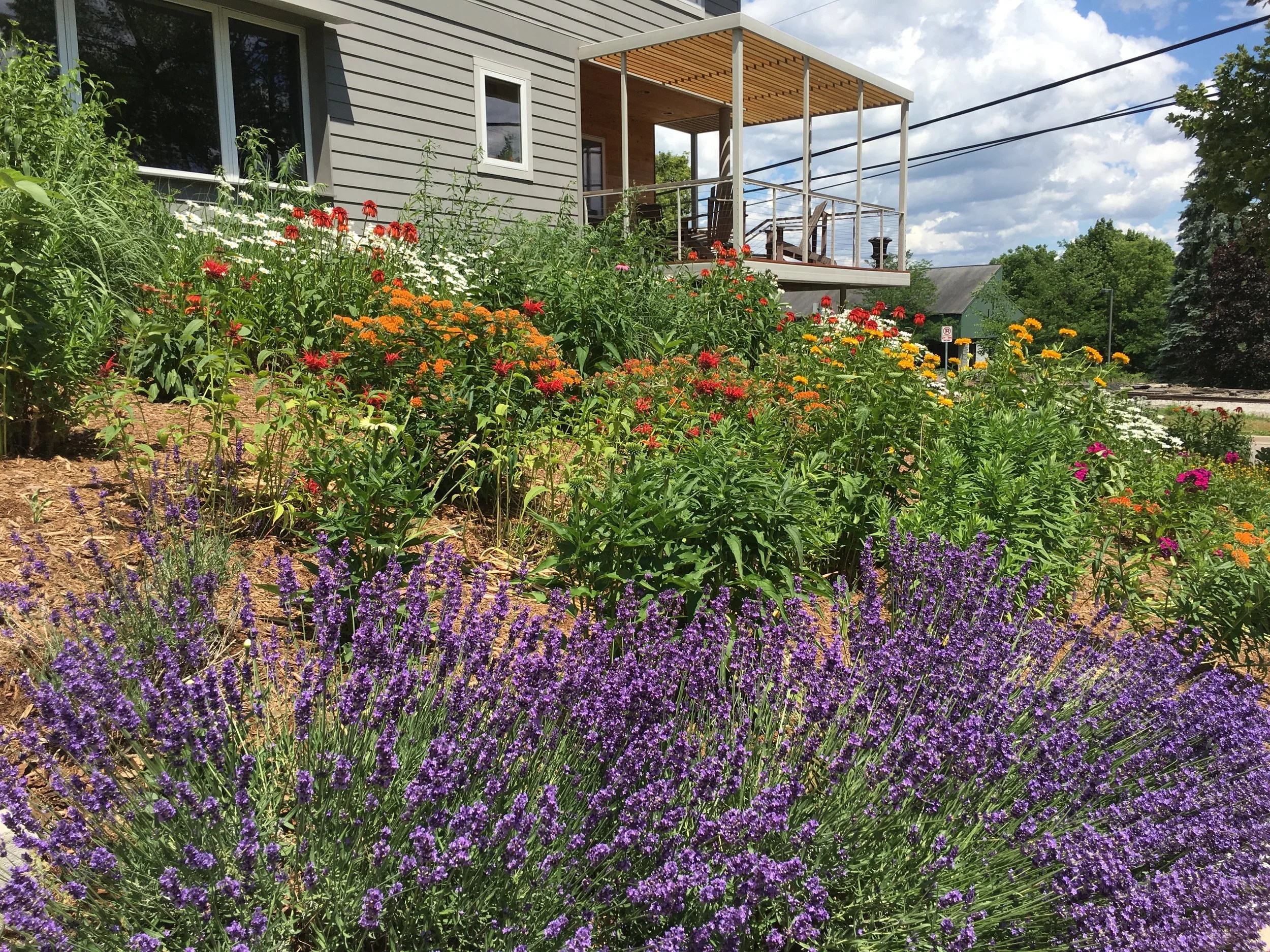
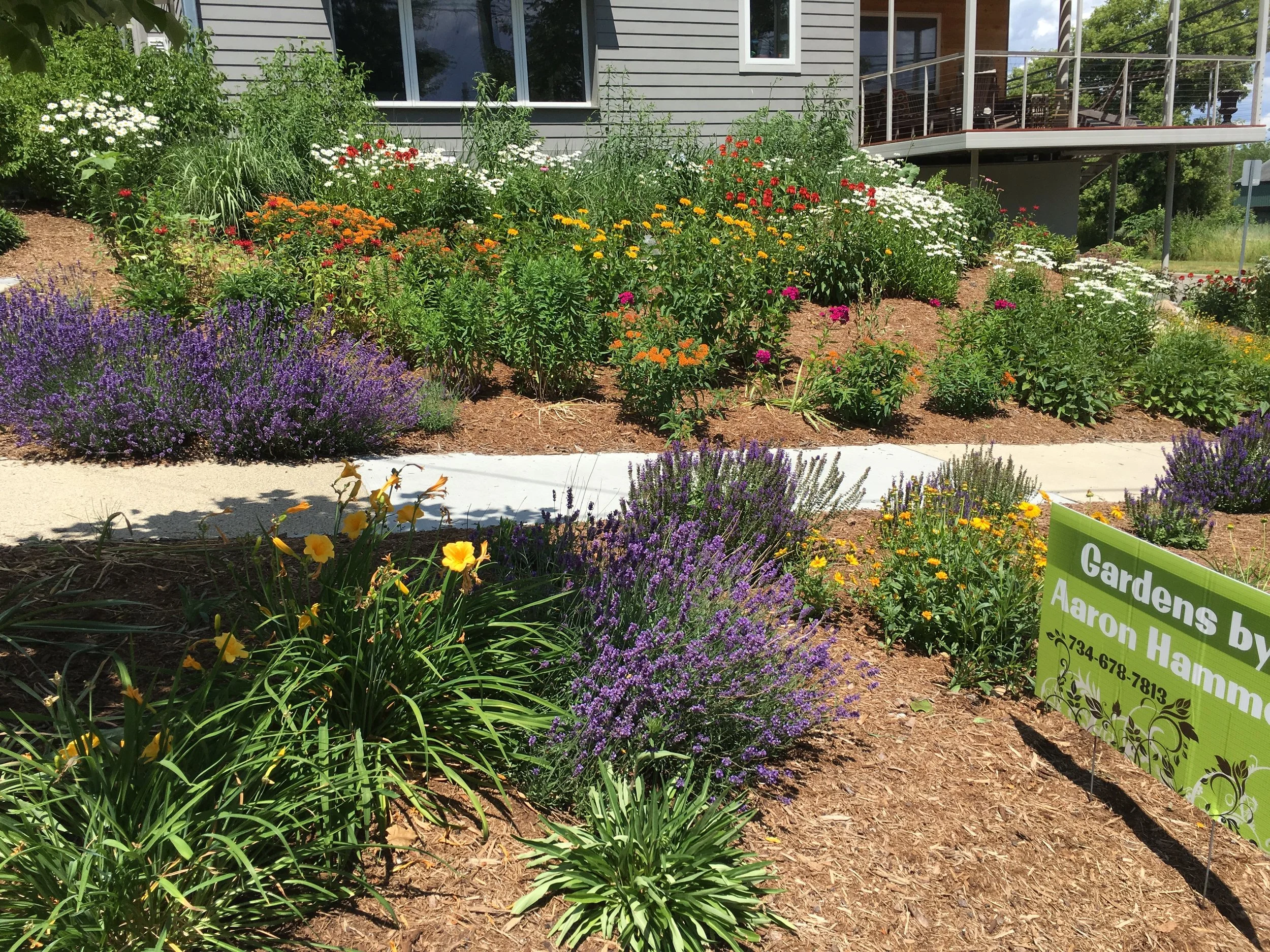
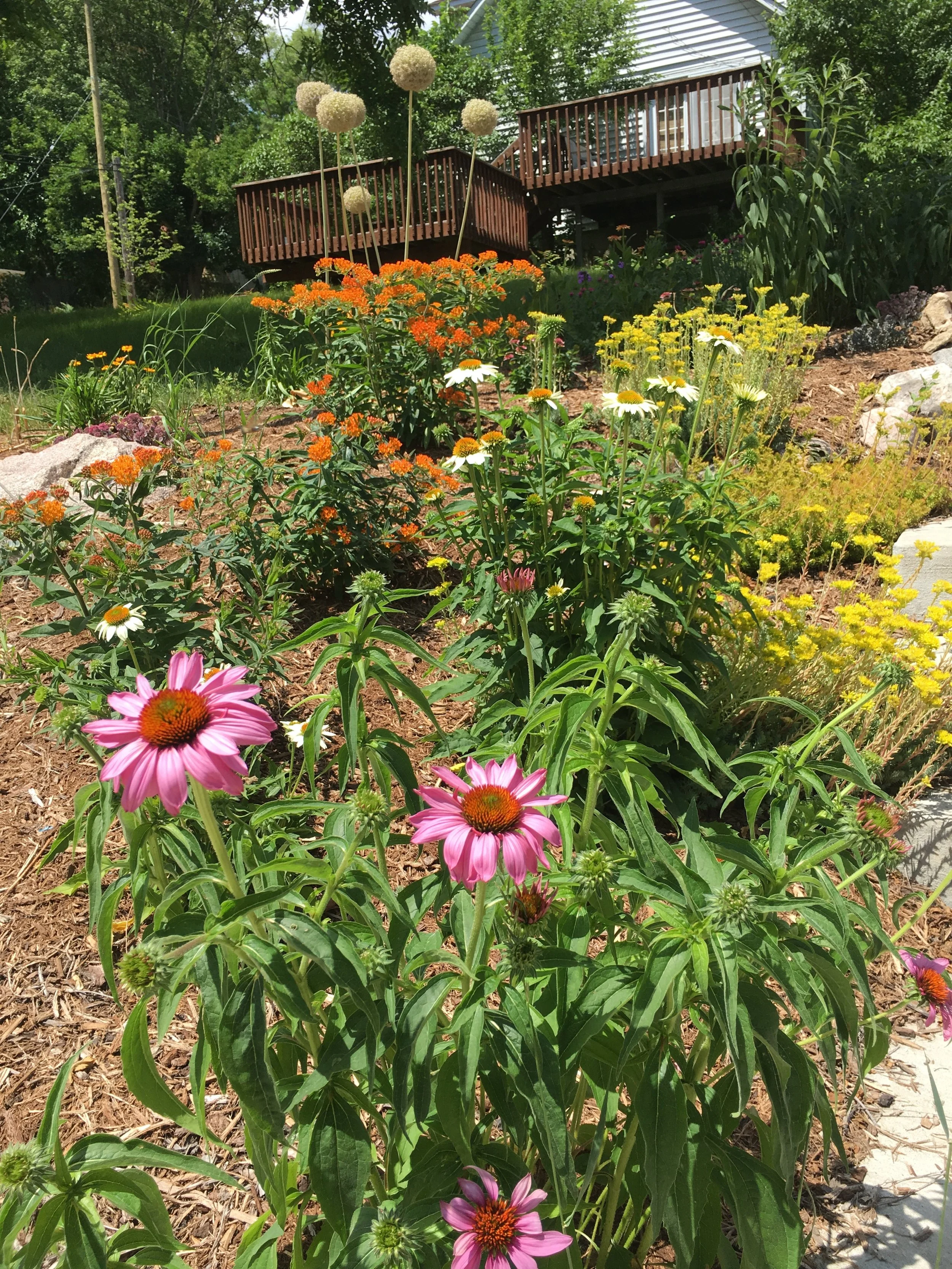
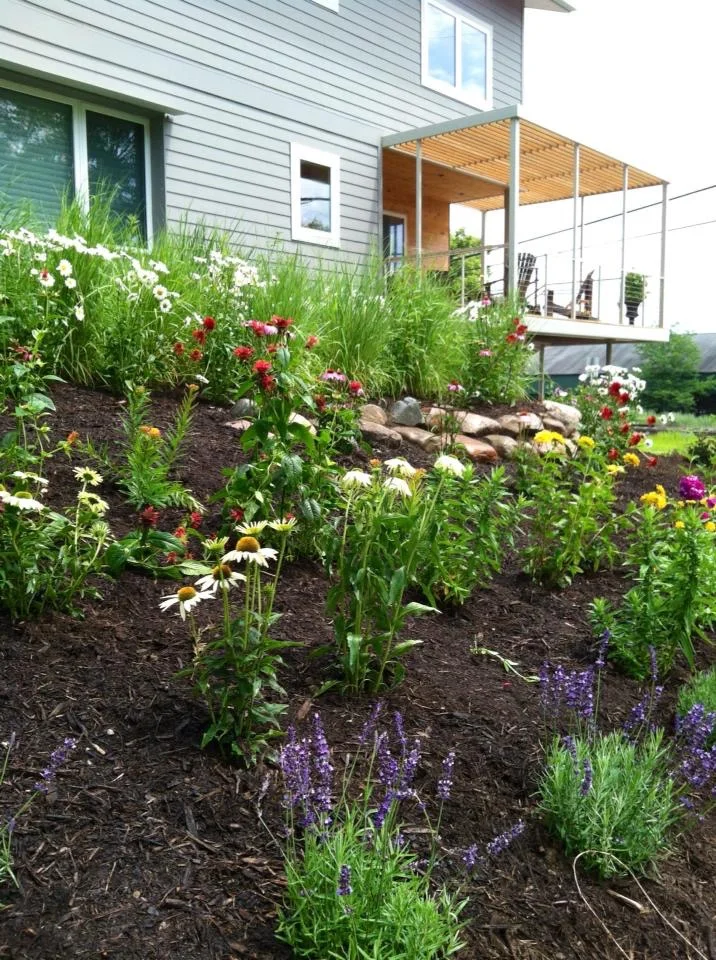
Urban prairie gardens appeal to homeowners who are tired of mowing, tired of watering, and ready for something that actually does something for the neighborhood wildlife. The right mix of ornamental grasses, native perennials, and bold structural plants creates a space that looks more and more alive as the season progresses - not less, like a traditional lawn that looks its best only when freshly cut.
Aaron has been designing these plantings in Ann Arbor for years, and he knows which natives actually thrive in this region versus which ones get sold at nurseries and then struggle. He balances the wild character of prairie planting with enough structure and composition that the garden reads as intentional rather than neglected, an important distinction in suburban neighborhoods.
These gardens also dramatically reduce your water and chemical inputs once established. The plants are doing what they were evolved to do, and they do it without much help from you. That's not laziness - that's good design working the way it should.
Start a ConversationWe take this work on across Washtenaw County. See what we build in Saline and Barton Hills, or get in touch about your own property.
Common Questions
A dense, layered planting of native grasses and perennials that covers the ground completely, the way an actual prairie does. Because the plants fill every niche, there's little bare soil for weeds and little need for mulch. It's a different model from beds-and-mulch. The plants do the work that landscape fabric usually fails to.
That depends entirely on the frame. A mown edge, a defined bed line, or a low fence around a prairie planting reads as intentional; the same planting with a fuzzy edge reads as neglect. It's the single most important design decision in this style, and we don't skip it.
Lower, and different. There's very little watering once it's established, and no annual mulching. But it needs a hard cutback each spring and a few years of editing while it settles, and it will not tolerate being treated like a shrub bed. Years one and two are the work; after that it largely runs itself.
Meaningfully, yes. Deep-rooted native perennials open up our heavy clay over time and slow water down before it reaches the street. In the Huron River watershed that's genuinely useful, and it pairs naturally with a rain garden if you have a runoff problem to solve.
Aaron designs prairie and perennial plantings that look intentional, support local wildlife, and are genuinely easy to live with.
Request a Consultation